Bloom with Kindness Svg Design
First Impressions of Bloom with Kindness Svg Design
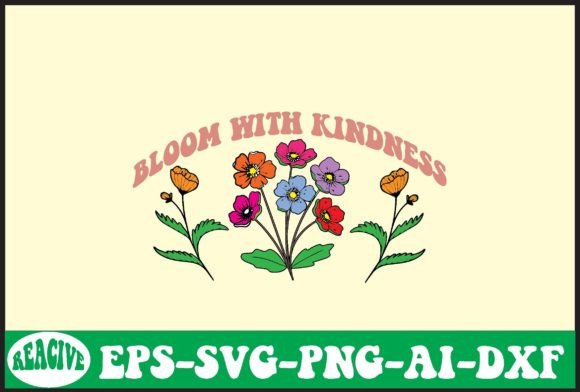
The Bloom with Kindness Svg Design immediately evokes a sense of warmth and positivity. Its soft, flowing lines and floral motifs suggest a gentle, nurturing theme perfect for handmade products that aim to inspire or comfort. The layout is clean and balanced, making it ideal for embroidery projects that require a subtle yet meaningful visual presence.
The design’s detail level is moderate, offering enough intricacy to stand out without overwhelming the eye. It feels like a natural fit for custom apparel, baby items, or personalized gifts where simplicity and elegance are key. The overall aesthetic leans toward a modern, minimalist approach with a touch of traditional craftsmanship.
Real-World Use Cases for Bloom with Kindness Svg Design
Imagine preparing a custom embroidered tote bag for a local boutique. The Bloom with Kindness Svg Design could be the perfect centerpiece, adding a thoughtful touch that resonates with customers looking for meaningful, handmade items. Its size and shape make it suitable for a variety of fabric types, from cotton canvas to lightweight linen.
For a sweatshirt embroidery project, this design would work well as a chest or back graphic. The layered structure of the SVG files allows for easy customization, whether you’re using satin stitch for bold outlines or fill stitch for softer areas. It’s also versatile enough to be adapted into an applique design for more textured effects.
When considering baby items, such as onesies or blankets, the design’s soft curves and gentle imagery create a soothing visual that parents might appreciate. It could also serve as a decorative element on a nursery wall or a pillow cover, blending functionality with aesthetic appeal.
Performance in Different Embroidery Situations
In custom apparel, the Bloom with Kindness Svg Design holds up well on t-shirts and tote bags. Its moderate stitch density ensures it doesn’t become too dense or stiff, which is important for garments that need to remain comfortable and wearable. However, it’s worth testing on different fabrics to ensure the design maintains its integrity across various textures.
On thin or stretchy fabrics, the design may require additional stabilizer to prevent puckering or distortion. For dark fabrics, the contrast between the design and the background should be carefully considered—light thread colors might not show up as effectively as darker shades.
This design isn’t ideal for small hoop sizes or curved surfaces like caps. Its size and complexity could lead to stitching issues if not properly adjusted. For embroidered patches, the design works well but may need some tweaking for optimal placement and visibility.
Visual Appeal and Practical Considerations
The Bloom with Kindness Svg Design enhances the visual appeal of any finished product, especially when used on light-colored fabrics. Its clarity makes it easy to recognize at a glance, which is important for brand consistency and customer recognition. When used on holiday or wedding gifts, it adds a personal, thoughtful touch that can elevate the perceived value of the item.
As a digital embroidery file, it offers flexibility for both personal and commercial use. However, it’s crucial to confirm the licensing terms before selling finished items or digital products. The design’s versatility allows it to be incorporated into printable mockups, making it a valuable asset for Etsy sellers or craft business owners looking to showcase their work.
For small shop merchandise, the design’s simplicity and elegance make it a strong candidate for consistent branding. Whether used on aprons, tea towels, or kitchen linens, it maintains a professional look that aligns with handmade and artisanal aesthetics.
Embroidery Designer Notes and Best Practices
Before committing to a full project, test the Bloom with Kindness Svg Design on scrap fabric. This will help you assess how the stitches interact with different materials and identify any potential issues early on.
Check the contrast between your chosen thread colors and the fabric background. A black and white mockup can reveal how the design appears in different lighting conditions or on various surfaces. Pay attention to the stitch density—too much could cause stiffness, while too little might result in a weak appearance.
Ensure the hoop size is appropriate for the design’s dimensions. If the design is too large for your machine’s hoop, consider splitting it into sections or adjusting the scale. Inspect small details like lettering or intricate corners to make sure they translate well in embroidery.
Use the right stabilizer for your fabric type. For delicate or stretchy materials, a tear-away or cut-away stabilizer can provide the necessary support. Always review the design’s layers and adjust as needed for applique or multi-color projects.
Finally, confirm that the design meets your licensing requirements before using it for commercial purposes. Whether you’re creating a handmade product or selling digital design assets, understanding the terms is essential for avoiding legal issues down the line.